You might be working on your Mac when, out of nowhere, your cursor goes crazy or starts to drift aimlessly across your monitor. This erratic “cursor dance” can be both unsettling and utterly frustrating. After all, you need it to perform nearly every task on your computer.
Macbook Cursors Download Free Ftp For Windows 10 3d Slicer Online How To Update Mac Software. How to download an. Windows 10 ships with a bunch of cursors and also allows you change the default size and color of mouse pointer but most of the cursors. Lenovo Yoga 3 Pro Drivers Adobe Technical Support Phone Number.
- I have a 2013 Macbook pro where the cursor position jumps randomly. I tried an external trackpad (where I check to ignore the built in trackpad)- same problem. I purchased an external mouse. Same problem I purchased a new Macbook Pro at the end of 2016, and used Time Machine to transfer over the apps/files to the new computer.
- By QUEEN 21k hi pls download these really cool cursors cause i worked hard on them. Apple MAC OSX Cursors. Mac Apple Cursor (Custom).cur. Mac os Help select.cur.
- Custom cursor macOS pack for Windows in 4K and scale 200%. Custom cursor macOS Sierra pack for Windows screens for 4K with scale 200%. How to use it: Select your resolution filder; Right click Install.inf and click «Install» Go to Control Panel → Mouse and choose «macOS Sierra 200» scheme. Apply and enjoy the best cursors ever!
With a cursor moving on its own Mac virus can be the first conclusion you jump to. However, in the majority of cases, your cursor acting up is not caused by a virus at all. With just a bit of targeted troubleshooting and regular maintenance, you can usually reclaim your wayward cursor for good.
What to do when your Mac cursor is moving on its own
Macbook Pro Cursor Download Windows 8
If you’ve noticed your Mac cursor has started to exhibit troubling symptoms, such as ghost clicks, a slow horizontal drift, or making large selections independently, it’s time to investigate and find the root of the issue.
Reasons your cursor malfunctions may range from pointing devices interfering with one another and corrupted files preventing hardware from working properly to physical issues, like a damaged trackpad or swollen battery. With all these possibilities, you need to examine a few things to ensure you completely eliminate the issue.
1. Check your Mac and devices
First things first, take a closer look at your Mac and pointing devices. One reason trackpads can malfunction on a MacBook is the battery bulging underneath. If your trackpad seems to be slightly lifted, your battery might need immediate replacement.
Similarly, if you’re using a mouse or pointing device like a drawing tablet, check to see if the USB fits properly in the port, if the cord is damaged, if the mouse is dirty, or if the tracking surface is uneven. Some physical hardware issues may require replacement, but sometimes there might be just lint stuck in your mouse, which is easily fixed with a quick clean.
2. Reset all pointing devices
Having multiple pointing devices connected at once can sometimes cause interference. Your computer may try to jump from one to another while you’re working, which could result in bizarre cursor movement.
Bluetooth or USB, test your pointing devices individually. If when switching from one device to another you start thinking, “Hey! My Mac cursor is moving on its own!” — you’ve found your problem.
Making sure Bluetooth devices are fully charged and have fresh batteries is a good first step. Try to resolve interference by unplugging and reinstalling your mouse, or resetting your Bluetooth pointing device:
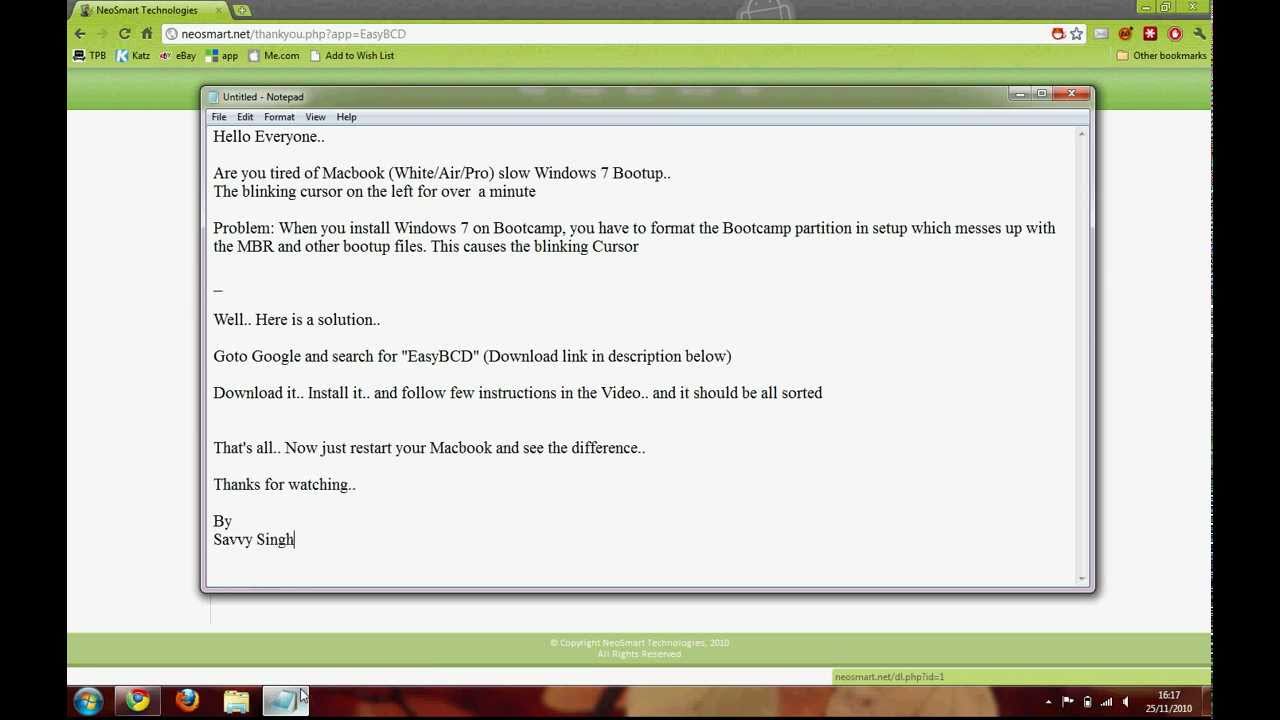
- Open Bluetooth in System Preferences
- Remove all devices by clicking the X
- Turn Bluetooth devices off and on, make then discoverable, and reconnect
In addition, uninstall and reinstall USB pointing devices:
- With the device unplugged, search for your device using Finder
- Open your device’s application folder and run the uninstaller. If your device has no folder, just drag the icon to the Trash.
- Restart your Mac, plug the device in, and follow the steps to reinstall
3. Ignore your trackpad
With interference in mind, one solution to consider if you’re using an external mouse is to disable the trackpad when your computer senses another device. This could also be used to temporarily resolve problems if a trackpad is damaged and needs repair.
Simply turn on Ignore Trackpad:
- Open System Preferences from the Apple menu
- Select Accessibility
- Find and select Mouse & Trackpad
- Check the box “Ignore built-in trackpad when mouse or wireless trackpad is present”
4. Restart your Mac in Safe Mode
If your devices don’t seem to be the source of your cursor’s independent streak, restart your computer in Safe Mode, which won’t open programs, apps, or cached files, and will internally repair issues it detects. Hence just starting your computer in Safe Mode to check if the cursor issue persists and restarting it again from Safe Mode can resolve all kinds of problems.
To start your Mac in Safe Mode:
- Restart your computer normally from the Apple menu but hold the Shift key
- Release Shift when you see the login window
In addition to Safe Mode, try going fully offline. Turn off your Wi-Fi, unplug your Ethernet, and shut off Bluetooth. If you suspect you have a “cursor moving on its own Mac virus,” and the issue still persists while disconnected in Safe Mode, you can be sure that it’s not malware, adware, or other intrusive programs that are disrupting your cursor.
5. Reconfigure SMC, NVRAM, and PRAM
The SMC (System Management Controller) controls your computer’s thermal, power, and battery recharging operations. Resetting the SMC will allow it to refresh any corrupted file paths that may be preventing pointing devices from working correctly.
To quickly reset your SMC:
- Select Shut Down from the Apple menu
- After your Mac shuts down, hold Shift + Control + Option + the power button for 10 seconds
- Release all held keys
- Power on normally
Additionally, as your NVRAM (nonvolatile random-access memory) and PRAM (Parameter RAM) perform quick access memory tasks related to the devices you use every day, restarting them will help cure corrupted file paths:
To reset your NVRAM and PRAM:
- Select Shut Down from the Apple menu
- Once your Mac shuts down, press the power button, followed quickly by Cmd + Option + P + R
- Hold Cmd + Option + P + R until your Mac restarts
- Once you hear the startup chord, release the buttons and allow the Mac to start up
6. Repair disk permissions
One more option you have at your disposal to get your computer to resolve internal issues is to repair your disk permissions. Essentially this forces your Mac to return to its default permissions and ensure everything is running in the way the macOS expects it to, which prevents applications from malfunctioning:
- Open Disk Utility
- Click File and then Run First Aid. Choose Run.
When First Aid is done, a dialogue box will report any programs or applications preventing your Mac from running optimally and point out the next steps to resolve these issues.
Consolidate troubleshooting in a single solution
If you find yourself exhausted by all the manual troubleshooting or you don’t have the time to move through all the step-by-steps, a simple but effective way to target and resolve your cursor issue is to download an optimization app like CleanMyMac X, which tackles all these problems at once.
Using the Maintenance scan in CleanMyMac X will repair disk permissions and free up RAM while flushing your cache at the same time. This utility also features a handy Uninstaller, which allows to select and uninstall any problematic applications. To perform maintenance with the app:
- Install CleanMyMac X (free trial available)
- Select the Maintenance tab
- Choose which areas you want to focus on (or all)
- Run the scan to solve the issues!
Ultimately, there are just as many solutions as causes to cursor issues, and finding the right one manually can be quite the undertaking. While some solutions will be as simple as cleaning your mouse, many will require a lot more effort. That’s where an app such as CleanMyMac X really shines, consolidating all possible fixes into a simple one-click interface that will get your cursor back to normal without eating up your time.
A few times, during regular use, I found that the mouse cursor disappears on my Mac. It is a random thing and not limited to any specific app, or a particular version of macOS. One thing that I have observed is that the mouse cursor most likely disappears when I use heavy software like Photoshop, and have connected multiple displays. The mouse pointer also keeps disappearing if I have opened too many tabs in Safari or Chrome. It may even happen after you update to the latest macOS version. Let’s check out the ways to fix it…
My Cursor Keep Disappearing on Macbook – How to Fix It
Shake your Mouse or Move Finger Quickly on Trackpad
This is the easiest way to find the disappeared mouse cursor. All you have to do is to shake the mouse or move the finger on your trackpad rapidly. The lost mouse cursor will appear on the screen and may also increase in size so that you can easily see it.
Right Click on Mac
One of the easiest ways to locate your vanished mouse cursor is to right-click. When you right-click, the mouse cursor is immediately visible.
Try to Bring Mouse Cursor to Dock

I agree that you are not able to see the mouse pointer, but on the trackpad or using the mouse, act as if you are moving down to the Dock. Once the vanished mouse pointer on the Dock, it will be visible.
Mission Control Fixes Disappearing Cursor on Mac
When you are playing a full-screen video on YouTube or working in a full-screen app, the right-click method may not bring success. This is where accessing Mission Control on Mac can help you locate the mouse cursor.
To enter Mission Control:
- Click the Mission Control key (F3) from top row or Touch Bar, or
- Press Control + Arrow up (△) key, or
- Swipe up from four (or three) fingers on Trackpad
Switch to Different App or Finder to Relocate Hidden Mouse Cursor
Press Command (⌘) + tab to quickly switch to a different app or Finder. You will see the mouse cursor. Now go back to the app you were working on.
Bring the Force Quit Menu
On your keyboard press Command (⌘) + Option (⌥) + esc. Force Quit Applications pop-up comes up. You do not have to quit any app. Just doing this brings up the hidden mouse cursor.
Adjust the Size of the Mouse Cursor on Mac
macOS lets you set the mouse pointer size according to your liking. To increase the cursor size launch System Preferences → Accessibility → Display from the left sidebar → Cursor → drag the Cursor size slider.
Also, enable Shake mouse pointer to locate.
You may also launch Siri from top right in the menu bar or press and hold Command (⌘) + Space Bar. Now ask Siri ‘Increase mouse pointer size.‘
Disable Third-Party Screensavers on Mac
If you repeatedly face the issue of mouse cursor disappearance, then try disabling or uninstalling any third party screensaver apps you use.
Turn Off Keyboard Shortcuts to Zoom
Accessibility features are beneficial, but they may cause little interferences here and there. Disabling keyboard shortcuts to zoom is a good hack to address mouse cursor automatically hiding.
Launch System Preferences → Accessibility → Zoom → make sure everything is unchecked here.
Check Firmware Update for Third-Party Mouse and Trackpad
If you are using a non-Apple peripheral, visit their website or ask the company if there are any pending drivers update to improve compatibility and fix glitches.
Macbook Pro Cursor Stuck
Check Battery of the Connected Mouse and External Trackpad
Replace the removable battery or charge your Mouse and Trackpad if it has a rechargeable internal battery.
Restart the Mac to Bring Back Mouse Cursor
If none of the solutions worked for you, try restarting your macOS device. A restart usually fixes these temporary issues. Click on the Apple logo () from top left and select Restart.
Reset the NVRAM or PRAM and SMC
NVRAM: Non-volatile Random-access Memory
PRAM: Parameter Random-access Memory
SMC: System Management Controller
NVRAM and PRAM store some specific settings in a location that macOS can access quickly, like designated startup disk, display resolution, or speaker volume.
SMC is a vital chip on Intel based Macs that control small hardware components and processes like keyboards, fans, thermal and power management, battery charging, hibernation, etc.
If your mouse cursor keeps disappearing on Mac, try to reset the System Management Controller and NVRAM/PRAM.
Try a Third-Party Mouse Locator App
If this issue persists, you may install a third party application that helps you find your cursor. One app you may try is Simple Mouse Locator. It is a paid app but not updated since 2015. Try it. If it doesn’t work for you, request a refund!
Summing Up…
These were some of the ways to get the cursor back on your Mac. Finally, I recommend that you learn some keyboard shortcuts for macOS. If you have time, also check out macOS Dock shortcuts. They will surely improve your productivity and make your experience swift and enjoyable.
You may also like to read…
Macbook Cursor Package
What are your thoughts on this article? Share your feedback with us in the comment section.
Macbook Pro Cursor Unresponsive
Nikhil runs iGB’s official YouTube channel. He is the official lensman of iGB and GB’s small studio is Nikhil’s playground, where he does all wonders with his remarkable signature. When Nikhil is not in his studio, you may spot him in a gourmet restaurant, chomping his way through some delicious food. He is a great traveler, who can go for long drives in search of good food.
3utools For Macbook Pro Download
- https://www.igeeksblog.com/author/nikhil/How to Manage Website Settings in iOS 13 Safari on iPhone and iPad
- https://www.igeeksblog.com/author/nikhil/
- https://www.igeeksblog.com/author/nikhil/How to Fix 'iMessage Needs to Be Enabled to Send This Message' Issue
- https://www.igeeksblog.com/author/nikhil/